The Wait That Kills Deals
The customer is ready. The salesperson has done their job—built rapport, identified needs, presented the vehicle, handled objections. Now it's time to talk numbers. And what happens? "Let me get my manager."
The manager is with another customer. Or on the phone. Or in a meeting. Or at lunch. Or helping close a different deal. The salesperson walks back to the customer: "He'll be with us in just a few minutes."
"A few minutes" becomes ten minutes. Then twenty. The customer checks their phone. They look at their watch. They start having second thoughts. The momentum built through hours of work starts bleeding out through the wait. This is the manager bottleneck.
The Approval Addiction
Automotive retail is addicted to manager approvals. Every discount needs a manager. Every exception needs a manager. Every trade evaluation needs a manager. Every F&I handoff needs a manager. The salesperson can't sneeze without a manager blessing the tissue.
This approval addiction made sense in an earlier era. Margins were fat enough to absorb mistakes. Customer information asymmetry meant salespeople could extract value through negotiation gamesmanship. The manager was the deal doctor.
Today's reality is different. Customers know fair prices before they arrive. Margins are thin enough that gamesmanship is counterproductive. Speed and experience matter more than negotiation theater. Yet the approval addiction persists, optimized for a world that no longer exists.
The Math of Scarcity
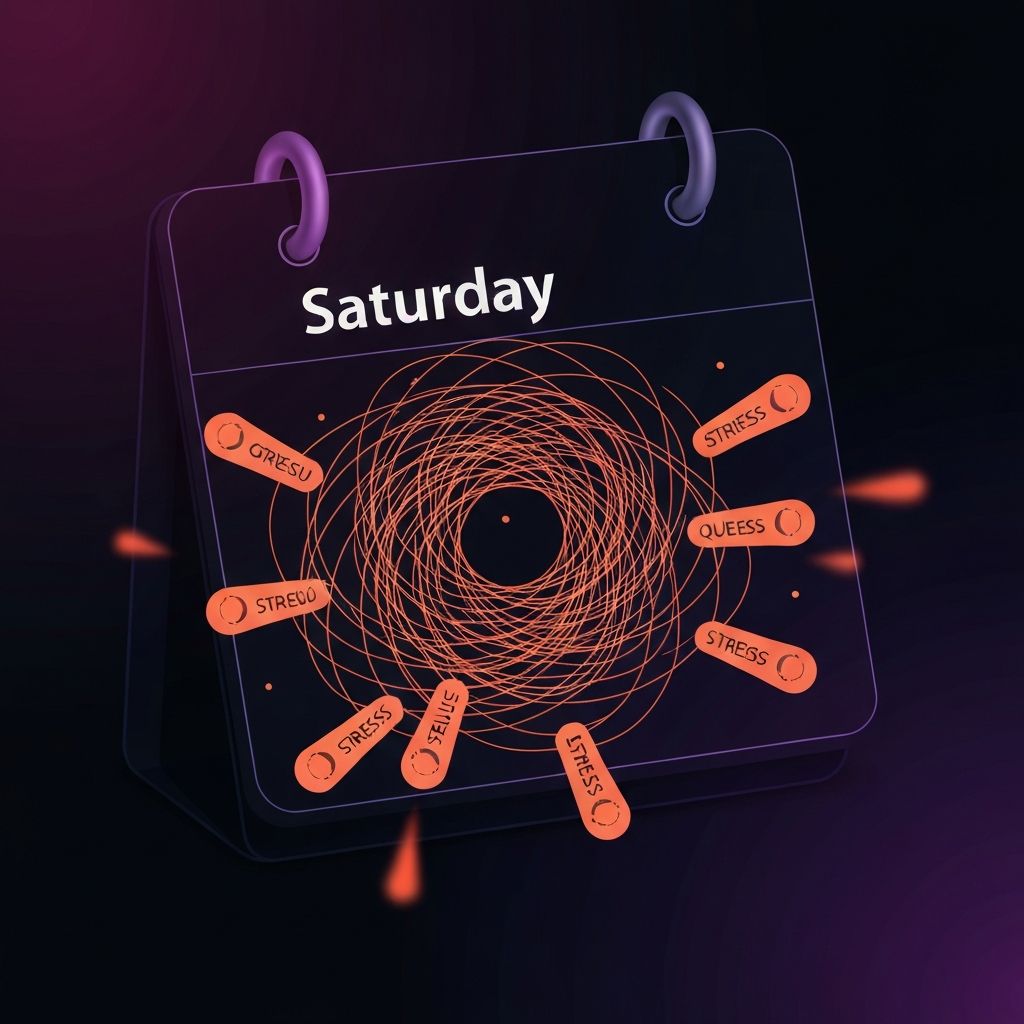
Run the numbers on a busy Saturday. Your dealership has, say, three desk managers. Saturday traffic brings twenty customers to the point of needing manager involvement. Each manager interaction takes fifteen to thirty minutes when you account for desk time, to-ing and fro-ing, and negotiation.
Three managers times eight hours times three interactions per hour equals 72 manager interactions possible. If demand exceeds 72, someone waits. If demand clusters—and it always clusters—people wait even when total capacity is theoretically adequate.
The scarcity math means that some percentage of deals face meaningful delay. And remember: customers who leave to "think about it" rarely come back. The deal that gets delayed into a departure is usually a deal that's lost.
The Empowerment Illusion
"We empower our salespeople to make decisions!" I hear this from dealers who still require manager approval for everything. They've given speeches about empowerment. They've done training. But the actual process still routes through the manager for every significant decision.
True empowerment means defining guardrails and letting people operate within them. The salesperson who can approve discounts up to X, handle trades within Y, and offer incentives up to Z doesn't need a manager for routine situations.
The irony is that empowerment actually protects margin better than approval addiction. Customers stuck in manager waits get grumpy, and grumpy customers demand concessions for their trouble. Deals that close quickly close at stronger gross.
The AI Assist
Here's where AI changes the equation. What if every salesperson had an expert system whispering in their ear, helping them make good decisions without requiring human manager approval?
AI can evaluate trade values in real-time, giving the salesperson a defensible number without waiting for a manager to pull comps. AI can calculate deal structure, ensuring the numbers work before they're presented. AI can flag when a deal falls outside guardrails, triggering manager involvement only when necessary.
With AI assist, the salesperson becomes capable of handling routine decisions independently. The manager bottleneck clears because most deals no longer need to go through it. The result isn't a dealership without managers—it's a dealership where managers are deployed effectively.
The customer was ready at 3:15. Your manager was available at 4:00. They left at 3:45.
Every deal that waits is a deal at risk. Every minute of delay is a minute for doubt. Your competitors don't make customers wait for managers. They close while you're still looking for one.
Request DemoEnjoyed this article?
Get more insights delivered to your inbox weekly.